
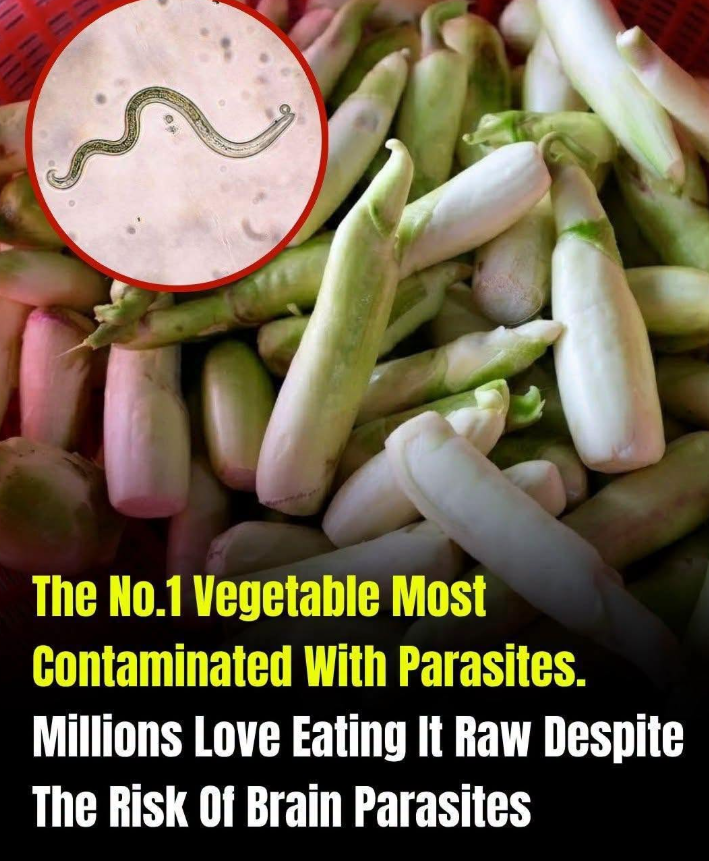
But before you swear off your favorite salad greens or stop enjoying fresh vegetables, let's decode what the science actually says. Since you are so wonderfully proactive about your health and love understanding the science behind food safety, you deserve the real facts—without the fear-mongering.
🔬 The Science: Which Vegetables Are Most at Risk?
Recent research has identified certain vegetables that are more commonly associated with parasitic contamination, but context is everything:
The "High-Risk" List (According to Recent Studies):
- Leafy greens (lettuce, spinach, rocket/arugula) - because they grow close to the ground and have large surface areas
MDPI
- Fresh herbs (mint, cilantro, celery leaves) - a 2026 Thai study found celery, mint, and gotu kola had the highest contamination rates
www.nationthailand.com
- Sprouts - the warm, humid growing conditions are ideal for both sprouts and bacteria
- Green onions/scallions - frequently cited in outbreak studies
美国卫生与公共服务部NIH
Why These Vegetables?
- They grow close to or in the soil
- They have rough, textured surfaces that can trap particles
- They are often eaten raw
- They can be contaminated by irrigation water, soil, or handling
⚠️ The Crucial Context (What Headlines Don't Tell You)
Recent Articles

I Was Certain My Husband Was Cheating on me...check the 1st comment

Did you know that having visible veins means you are… See more

Garlic eliminates parasites in just 1 day? What you really should know before

For visible dark spots (often caused by sun exposure or aging) and signs of skin aging, the most effective creams typically contain ingredients that have good clinical evidence behind them:
Pages: 1 2
