Picture a city with one main bridge shut down at rush hour. Cars pile up, horns start screaming, and the whole route becomes chaos. That’s what happens when internal pathways get squeezed and waste can’t move the way it should.
People often catch this in a mirror before they feel anything dramatic. A tired face, a strange tint, a look that says something is wrong even before the body admits it.
That’s why the “no pain” phase is so deceptive: the crisis can already be moving while you still feel functional enough to keep going.
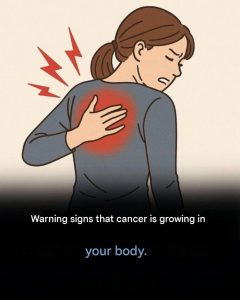
The back pain that doesn’t behave like back pain
Pancreatic trouble can press backward into the spine, creating a deep, stubborn ache that doesn’t act like a pulled muscle. It sits there, nags harder when you lie down, and refuses to respect stretching, rest, or a new mattress.
It’s like a wrench jammed behind a cabinet wall. You don’t see the problem, but every movement reminds you something is trapped where it doesn’t belong.
That’s why this kind of pain feels so confusing. It doesn’t announce itself with a dramatic injury — it just settles in and keeps returning to the same spot.