In many rural areas, a curious phrase is often repeated: “free-range chicken gizzards cut alcohol into a dry spell.” It sounds powerful, is passed down from generation to generation, and is sometimes shared as a family “secret.” But… what is the truth behind it? In this article, you will see the origin of this belief, why it became popular, what the evidence says, and, above all, what strategies are actually supported for reducing or quitting alcohol responsibly.
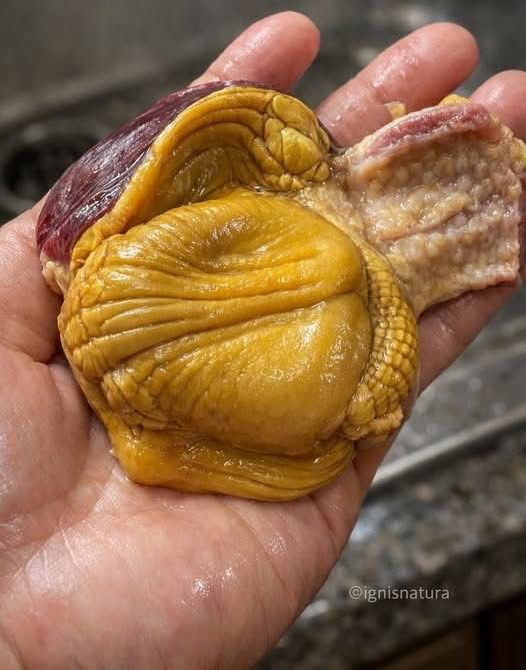
What is chicken gizzard?
The gizzard is a muscular organ of the bird that helps to grind food. It is a source of protein and minerals, and in cooking, it is used in stews, soups, or stir-fries. Its value is primarily nutritional and culinary, not “medicinal.”
The myth: “Cuts alcohol into a dry spell” – where does it come from?
1) Oral tradition and “country remedies”
In rural contexts, it is common for certain foods to be associated with “strengthening” the body or “cutting” habits. Sweetbreads, being a substantial food, became associated with the idea of "settling the stomach" or "satisfying cravings."
2) Satiety and Routine Effect
A hot, protein-rich meal can create a feeling of fullness, reduce momentary cravings, and help establish regular meal times. Some people interpret this effect as "taking away their drink," when in reality, it simply changed the context: they ate better, stayed hydrated, and followed a routine.
3) Placebo Effect (which exists)
If someone strongly believes that something will help them, they may experience temporary relief or control over the urge. This doesn't prove that the food has a direct effect on dependency, but it does explain why the myth persists.