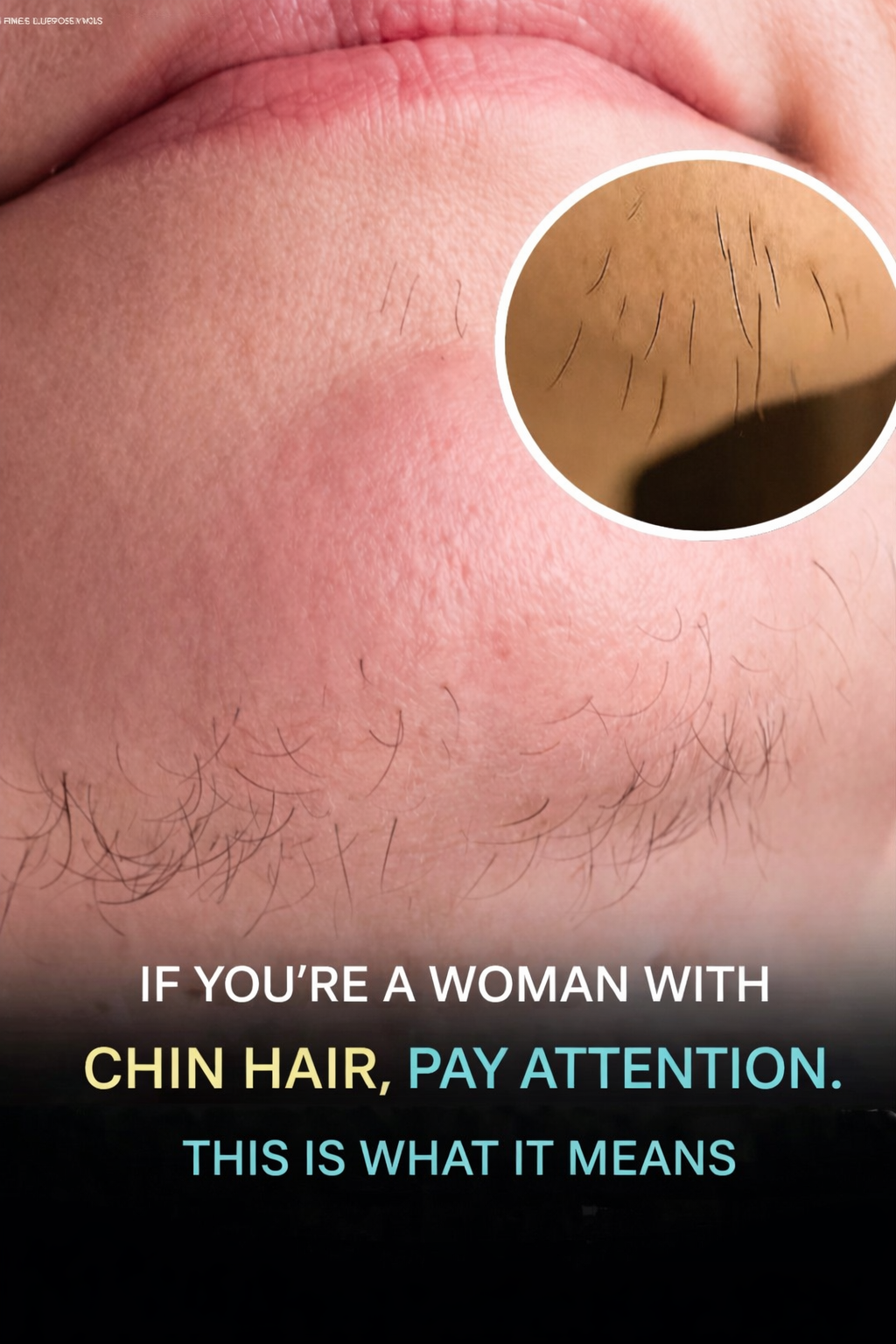
The emotional weight of a single hair
For many women, the first chin hair appears unexpectedly. It may be a thick, solitary strand or a small recurring patch that becomes part of a grooming routine. The act of noticing and removing it may seem trivial, but the emotions it stirs often are not. Discomfort, embarrassment, or self-consciousness may arise, especially when facial hair clashes with deeply rooted ideals of femininity.
In societies where facial hair is strongly coded as masculine, women often internalize the idea that even minimal facial hair is unacceptable. This creates tension between biological reality and social expectations, turning a physical trait into an emotional experience.
Research highlights the depth of this impact. A 2006 study found that women with unwanted facial hair reported increased anxiety and depression and spent an average of 104 minutes per week removing or concealing it. This constant vigilance can quietly erode self-esteem, making a small physical trait feel disproportionately significant. What may seem insignificant at first glance can occupy a surprisingly large space in daily life.
“Normal” is not universal
One reason chin hair carries so much weight is that hair growth patterns vary widely. Some women naturally have more visible facial or body hair due to genetics, ancestry, or hormonal sensitivity. For some individuals, a few coarse hairs fall within the spectrum of normal. For others, similar growth may indicate an underlying health condition.