Survival statistics illustrate this silent tragedy: the five-year survival rate drops to around 62%, largely due to late diagnosis.
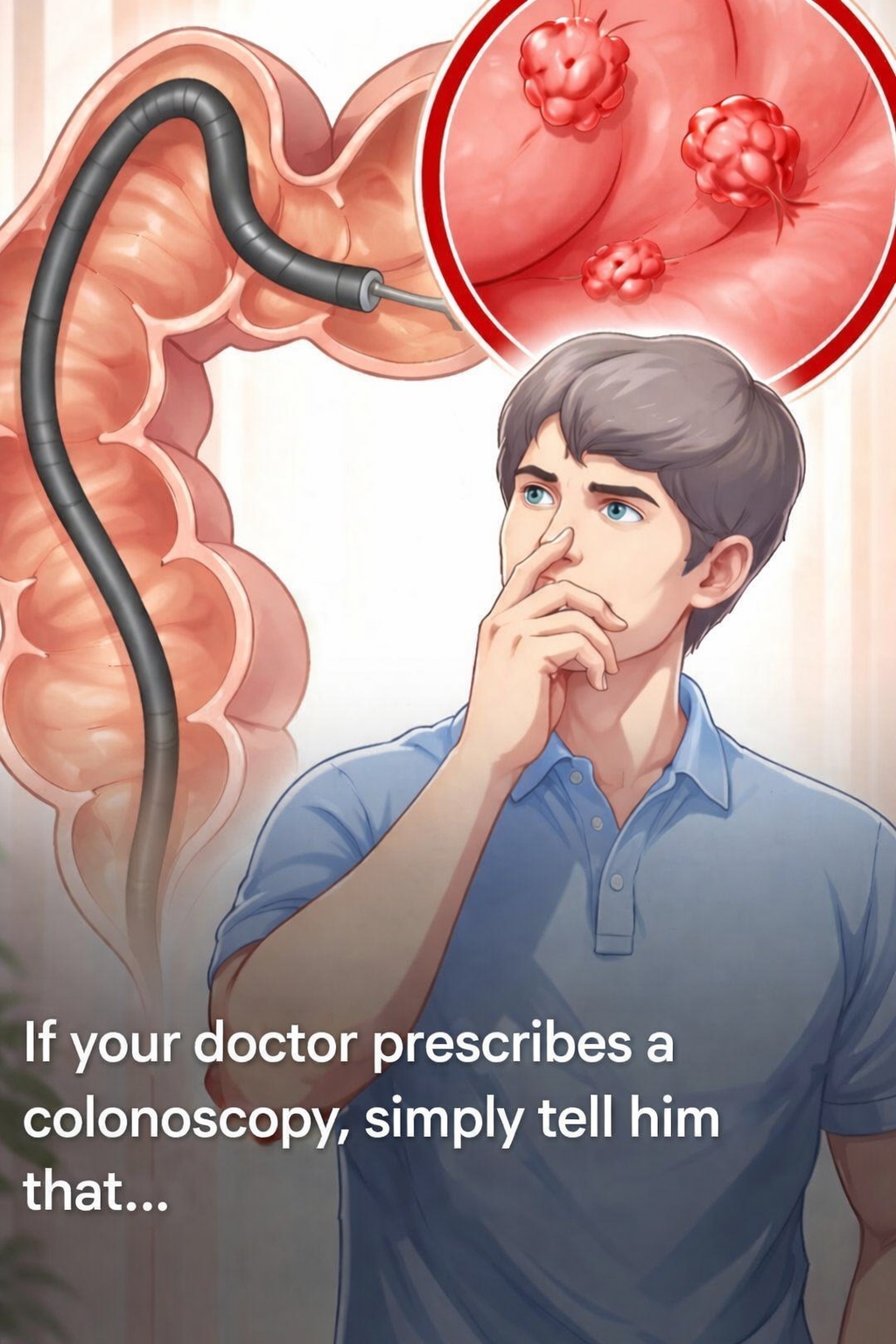
Between the ages of 50 and 74, an immunochemical test for hidden blood in stool (FOBT) is offered to people without risk factors. A colonoscopy can also identify and remove polyps before they become more serious.
However, with a disease that does not present clear warning signs, monitoring certain symptoms becomes a matter of survival.
This monitoring is essential, especially when there are changes in bowel habits. Constipation that appears suddenly or worsens rapidly can be an early warning sign. On the other hand, persistent diarrhea accompanied by nausea and vomiting should also raise concern.
This condition may appear with characteristic intestinal disturbances. A frequent and urgent need to have a bowel movement is often accompanied by a feeling of incomplete rectal evacuation. This sensation that the rectum remains full, even after going to the bathroom, indicates an abnormality that should not be ignored.
Gradually, other revealing signs may appear. Stools may become narrower than usual, as a direct result of a narrowing in the intestinal passage. Straining may become painful and ineffective, turning an everyday act into a real ordeal.
These changes in bowel habits are among the most common early symptoms. If they persist for more than a few weeks, they require immediate medical attention. Behind these seemingly harmless problems, a much more serious underlying condition may be present, especially when other symptoms appear.
Blood in the stool and pain: Signs that should prompt you to see a doctor immediately.
⬇️For more information, please continue to the next page.⬇️