9. Cold Sweats, Nausea, or Indigestion-Like Symptoms
Heart-related symptoms do not always appear as chest pain.
Some individuals experience:
• Sudden cold sweats
• Nausea
• Stomach discomfort
• Heartburn-like sensations
These symptoms can be especially common in women.
If they appear suddenly or occur together with breathlessness, fatigue, or chest discomfort, seek prompt medical evaluation.
10. Swelling in the Legs, Ankles, or Feet
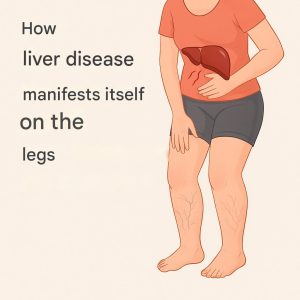
Swelling, known medically as edema, can occur when the heart struggles to pump blood efficiently.
Fluid may accumulate in the lower extremities, leading to:
• Puffy ankles
• Tight shoes
• Visible swelling in the feet
• Indentations after pressing on the skin
While swelling can result from many conditions, persistent or worsening edema deserves professional evaluation.
Who Is at Higher Risk?
Several factors increase the likelihood of developing clogged arteries:
• Smoking
• High blood pressure
• High cholesterol
• Diabetes
• Obesity
• Physical inactivity
• Family history of heart disease
• Chronic stress
• Advancing age
Managing these risk factors can significantly reduce the chances of developing cardiovascular disease.
When to Seek Immediate Medical Care
Call emergency services immediately if you experience:
• Severe chest pain
• Sudden shortness of breath
• Loss of consciousness
• Signs of a stroke
• Chest discomfort combined with sweating, nausea, or pain spreading to the arm or jaw
Rapid treatment can dramatically improve outcomes during cardiovascular emergencies.
The Importance of Early Detection
Blocked arteries rarely develop overnight. The process often progresses slowly over many years.
Recognizing warning signs early provides an opportunity for medical evaluation, lifestyle improvements, and treatment before a major event occurs.
Your healthcare provider may recommend blood tests, blood pressure monitoring, imaging studies, stress testing, or other evaluations depending on your symptoms and risk factors.
Final Thoughts
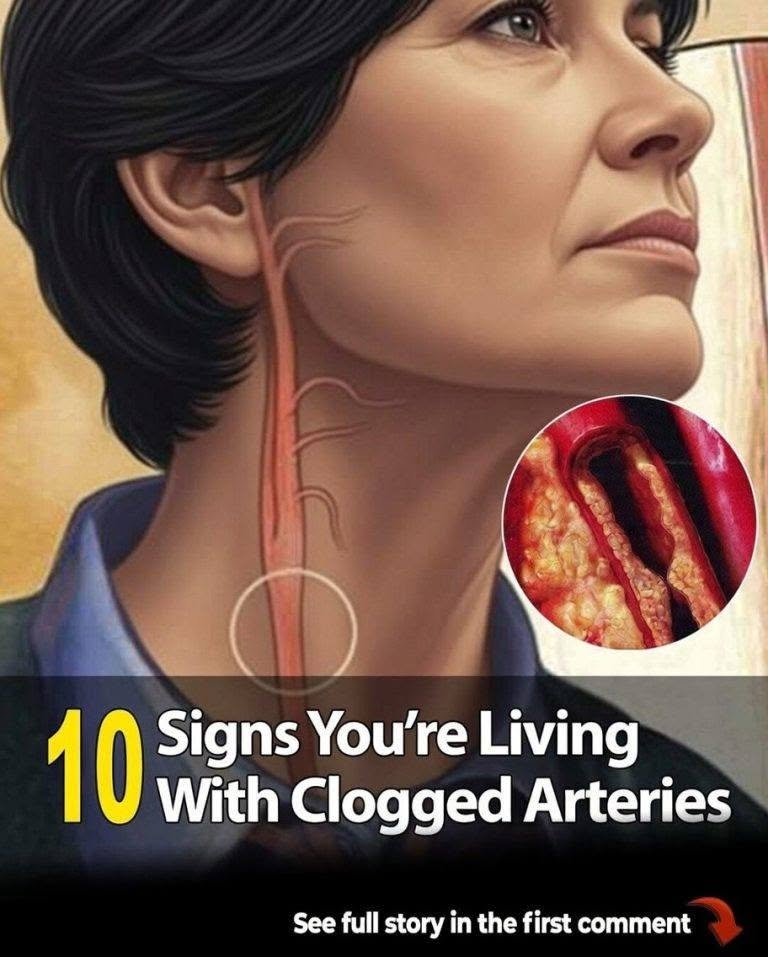
Your cardiovascular system works continuously to deliver oxygen and nutrients throughout your body. When arteries become narrowed, the body often sends subtle warning signals long before a heart attack or stroke develops.
Chest discomfort, unusual fatigue, shortness of breath, circulation problems, swelling, and other symptoms should never be ignored—especially when they are new, persistent, or worsening.
Paying attention to these signs and seeking timely medical advice can help protect your long-term health and potentially save your life.