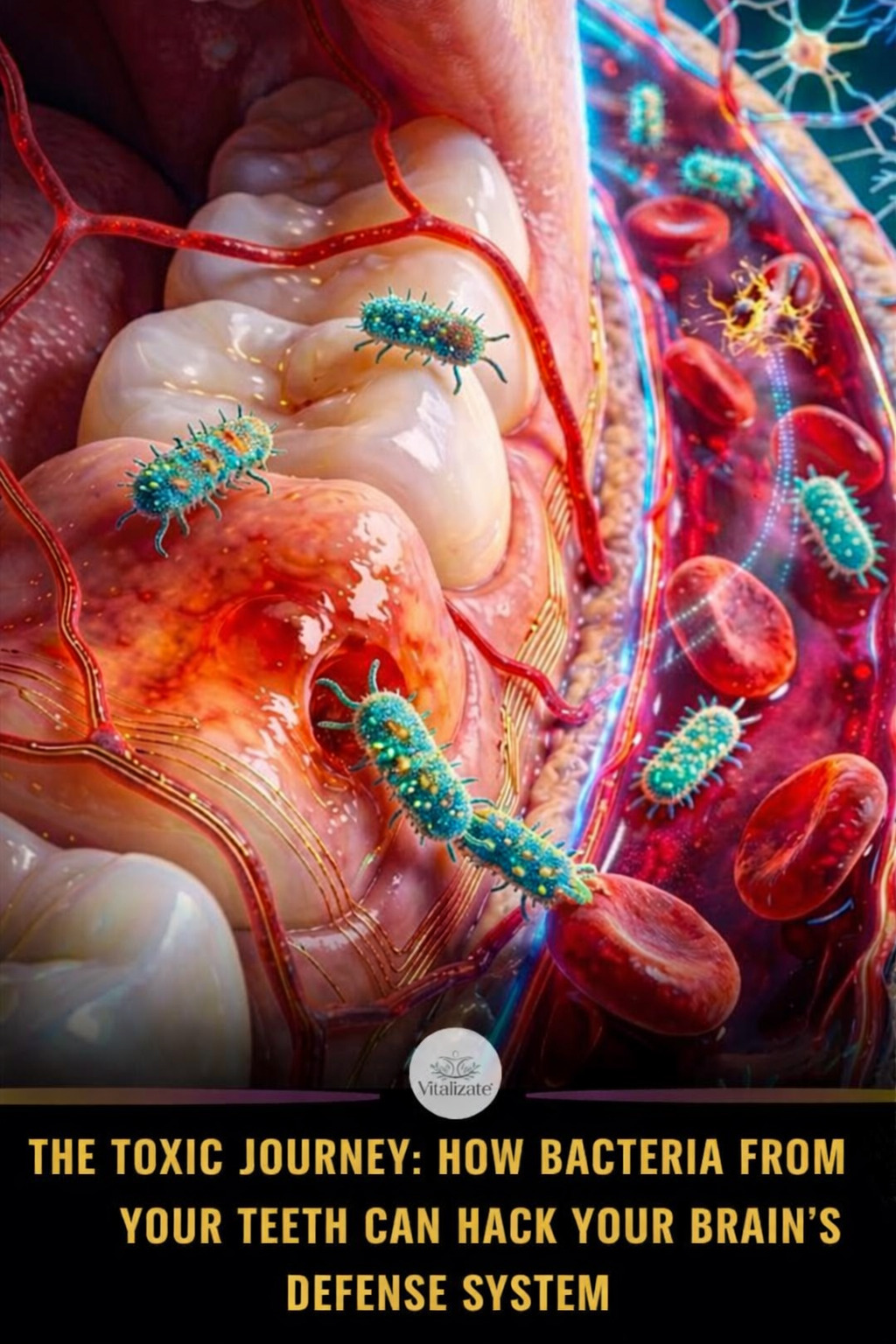
The Invisible Connection Between Your Mouth and Your Brain: How Oral Bacteria Can Affect Your Neurological Health 🦷🧠
Oral health isn't just about having strong teeth or healthy gums. In recent years, scientific research has revealed something much deeper: the mouth is part of a complex biological network that can influence the health of the entire body, including the brain. What happens in the gums and teeth can trigger inflammatory processes that travel throughout the body via the bloodstream.
More than 700 different species of bacteria live in the oral cavity, many of them harmless and even beneficial. However, when oral hygiene is poor or periodontal disease is present, some bacteria can proliferate excessively and penetrate the gum tissue. This occurs especially when the gums are inflamed or bleeding, which makes it easier for microorganisms to enter the bloodstream.
One of the most studied bacteria in this context is Porphyromonas gingivalis, a microorganism associated with chronic periodontitis. This bacterium can release toxins called gingipains, which can damage tissues and trigger inflammatory responses in different parts of the body. Several studies have detected traces of these toxins in brain tissue, sparking considerable interest in the scientific community.
The link between oral health and the brain is largely explained by systemic inflammation. When the immune system responds to bacterial infections in the gums, it releases inflammatory molecules that can travel through the bloodstream and affect other organs. The brain is particularly sensitive to these types of prolonged inflammatory processes.