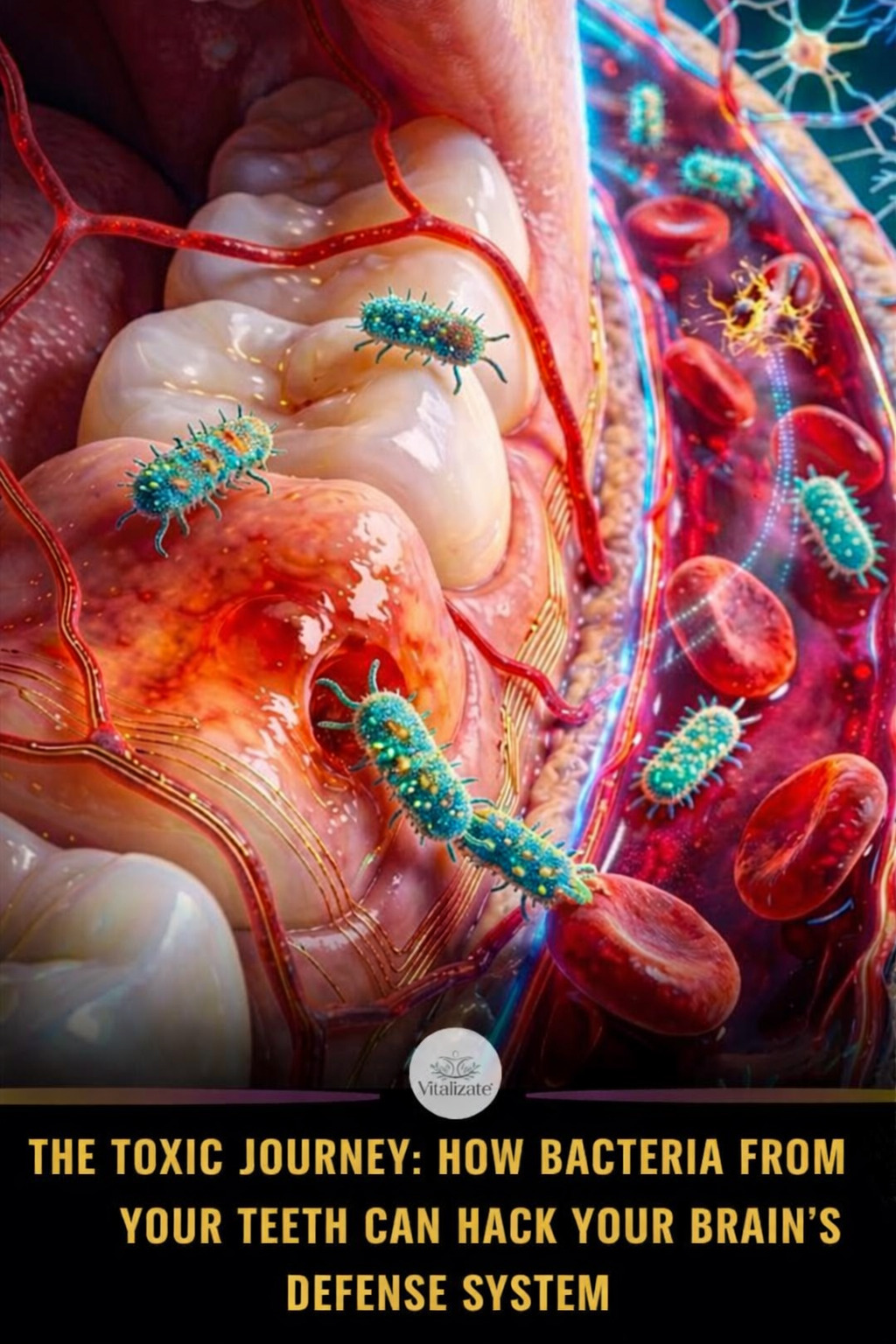
Furthermore, some oral bacteria can disrupt the blood-brain barrier, a structure that normally protects the brain from potentially harmful substances in the blood. If this barrier weakens, certain pathogens or toxins could more easily access the central nervous system.
Modern research also suggests that chronic inflammation associated with periodontal disease may be linked to an increased risk of developing neurodegenerative disorders, although this connection is still being investigated. What is clear is that oral health is part of the body's overall balance and should not be considered in isolation.
This discovery reinforces a key idea in preventive medicine: the systems of the human body are deeply interconnected. The mouth, far from being an independent system, acts as a gateway that can influence immunological, metabolic, and neurological processes.
Taking care of your dental health not only protects your teeth and gums, but it can also help reduce inflammatory processes that affect the entire body. Therefore, simple oral hygiene habits can become an important strategy within a comprehensive approach to wellness.