
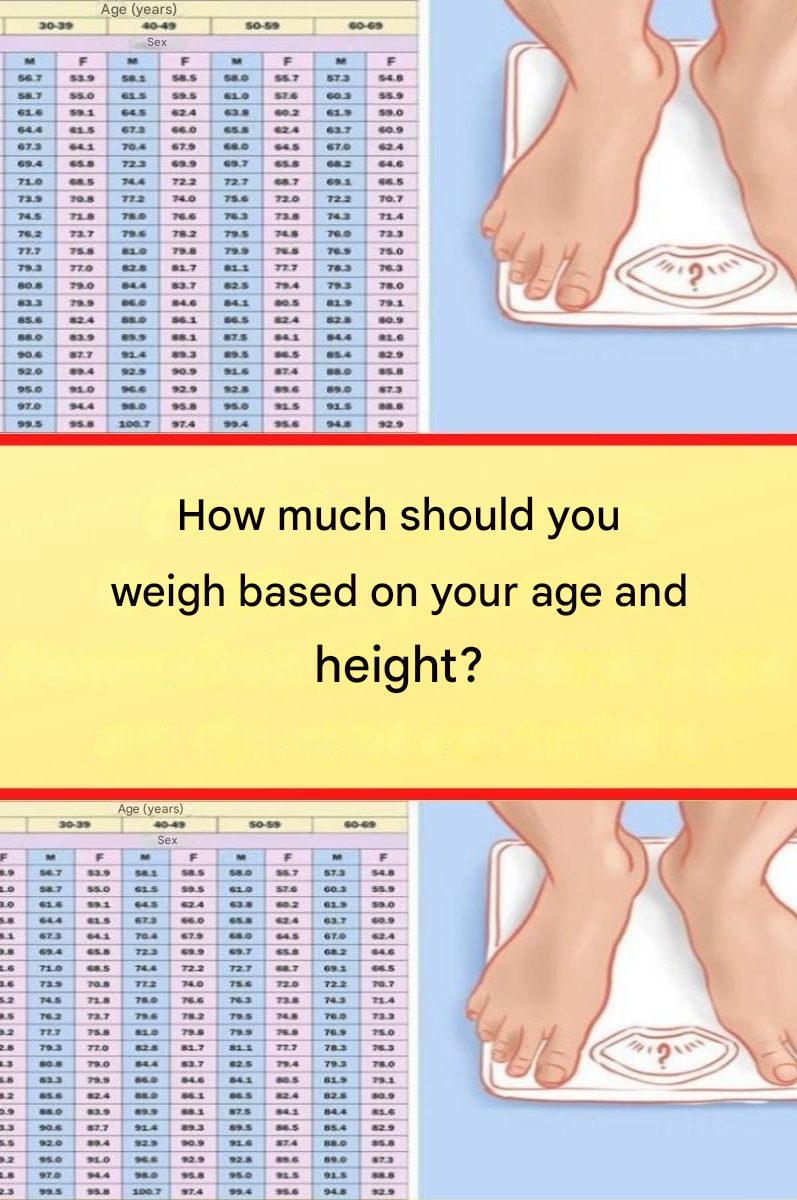
3. Crucial Adjustments and Limitations
Your points on adjustments are critical, as BMI is a screening tool, not a diagnostic one.
-
Age:
-
20-40 years: The standard BMI range is most applicable. Maintaining a stable weight within this range is ideal.
-
40-60 years: Sarcopenia (age-related muscle loss) begins. A person may have a “normal” BMI but still have a high body fat percentage (“skinny fat”). Body composition (muscle vs. fat) becomes more important than the number on the scale.
-
60+ years: A BMI in the upper end of the normal range or even slightly overweight (e.g., 25-27) may be associated with better resilience against illness and frailty. However, waist circumference is a vital check to monitor dangerous abdominal fat.
-
-
Other Important Factors BMI Does Not Account For:
-
Muscle Mass: Athletes with high muscle mass may have a BMI in the “overweight” category without health risks.
-
Body Frame Size & Fat Distribution: Where you carry fat (apple vs. pear shape) is a key indicator of health risk. Waist circumference (>102 cm for men, >88 cm for women) is a crucial additional measure.
-
Sex and Ethnicity: Body composition differs, and some populations may have different risk thresholds.
-
Children and Adolescents: As you noted, BMI-for-age percentiles (using growth charts specific to sex and age) must be used—the adult classifications do not apply.
Recent Articles

I Was Certain My Husband Was Cheating on me...check the 1st comment

Did you know that having visible veins means you are… See more

Garlic eliminates parasites in just 1 day? What you really should know before

For visible dark spots (often caused by sun exposure or aging) and signs of skin aging, the most effective creams typically contain ingredients that have good clinical evidence behind them:
-
