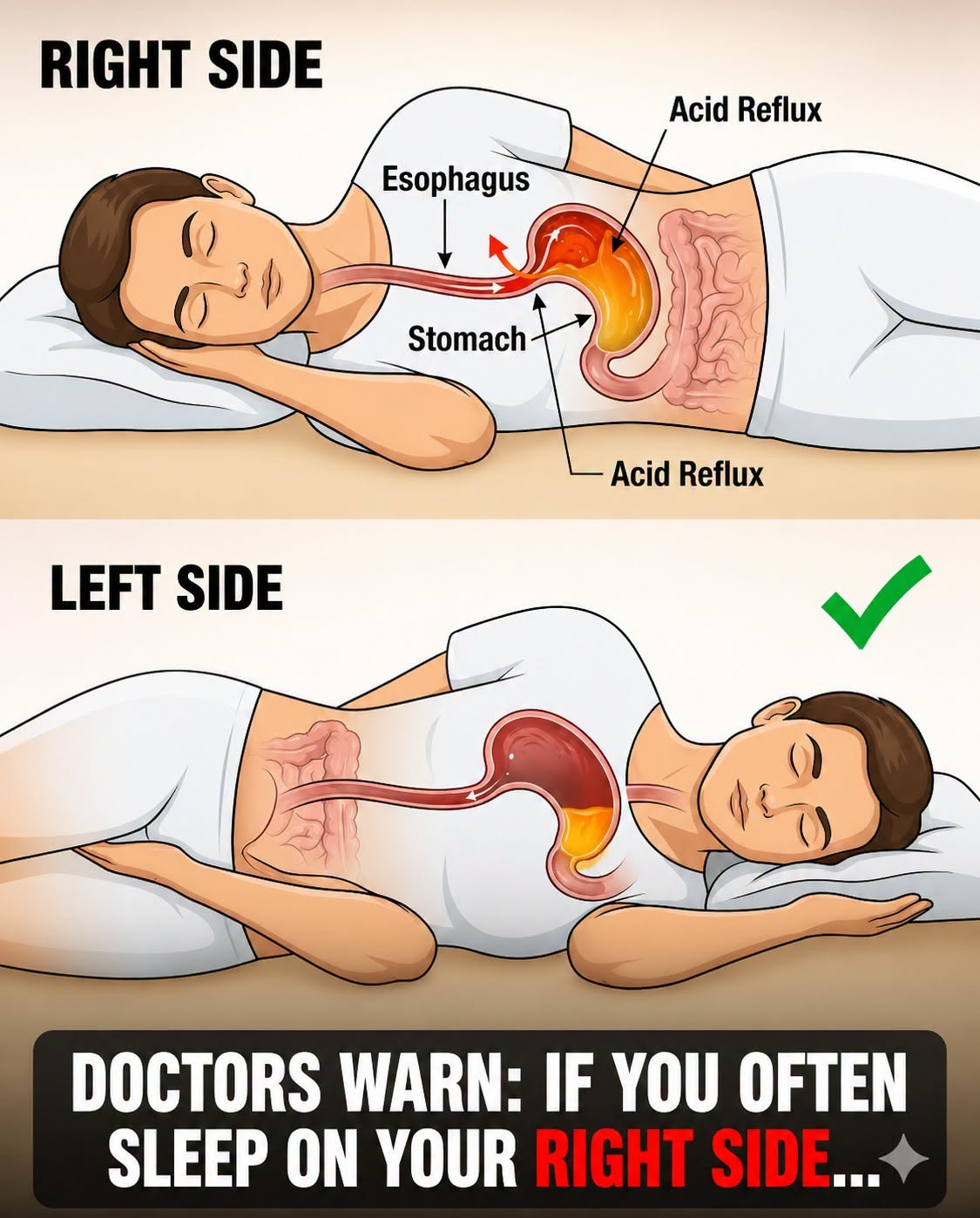
Sleeping on Your Back
Back sleeping can be comfortable and beneficial for spinal alignment, but it may allow acid to remain in contact with the esophagus for longer periods if reflux occurs.
However, not all back sleepers experience problems. Much depends on individual anatomy, body weight, meal timing, and overall digestive health.
Sleeping on Your Stomach
Stomach sleeping is generally considered the least favorable position for digestive comfort.
Lying face-down can place pressure on the abdomen and stomach, potentially increasing the likelihood of reflux. In addition, stomach sleeping often places strain on the neck and lower back.
The Elevation Strategy
For people who cannot comfortably sleep on their left side, elevating the upper body may help reduce nighttime reflux.
What Not to Do
Stacking several ordinary pillows under the head is often ineffective. This may bend the neck without adequately elevating the chest and upper digestive tract.
More Effective Options
Wedge Pillow:
A wedge pillow elevates the entire upper torso, creating a gentle incline that helps keep stomach contents lower during sleep.
Bed Risers:
Raising the head of the bed by approximately 4 to 6 inches can create a gradual slope that uses gravity to help reduce reflux.
Simple Habits That May Help Reduce Nighttime Reflux
1. Follow the Three-Hour Rule
Try to finish eating at least three hours before lying down. This gives the stomach time to empty much of its contents before sleep.
2. Take a Gentle Walk After Dinner
A short walk or light household activity after eating may support digestion and help move food through the digestive tract.
3. Avoid Tight Clothing
Tight belts, waistbands, or restrictive clothing may increase abdominal pressure and contribute to reflux symptoms.
These simple adjustments often work best when combined with healthy eating habits and consistent sleep routines.