Additional Lifestyle Strategies
Many people find further improvement by making a few additional adjustments:
• Maintaining a healthy body weight.
• Limiting large evening meals.
• Avoiding excessive alcohol consumption.
• Reducing intake of foods that trigger symptoms.
• Staying physically active throughout the day.
When to Talk With a Healthcare Professional
Occasional heartburn is common, but frequent symptoms should not be ignored.
Consult a healthcare professional if you experience:
• Heartburn more than twice per week.
• Difficulty swallowing.
• Persistent chest discomfort.
• Chronic cough or hoarseness.
• Unexplained weight loss.
• Symptoms that disturb sleep regularly.
Persistent reflux can sometimes lead to complications if left untreated.
Final Thoughts
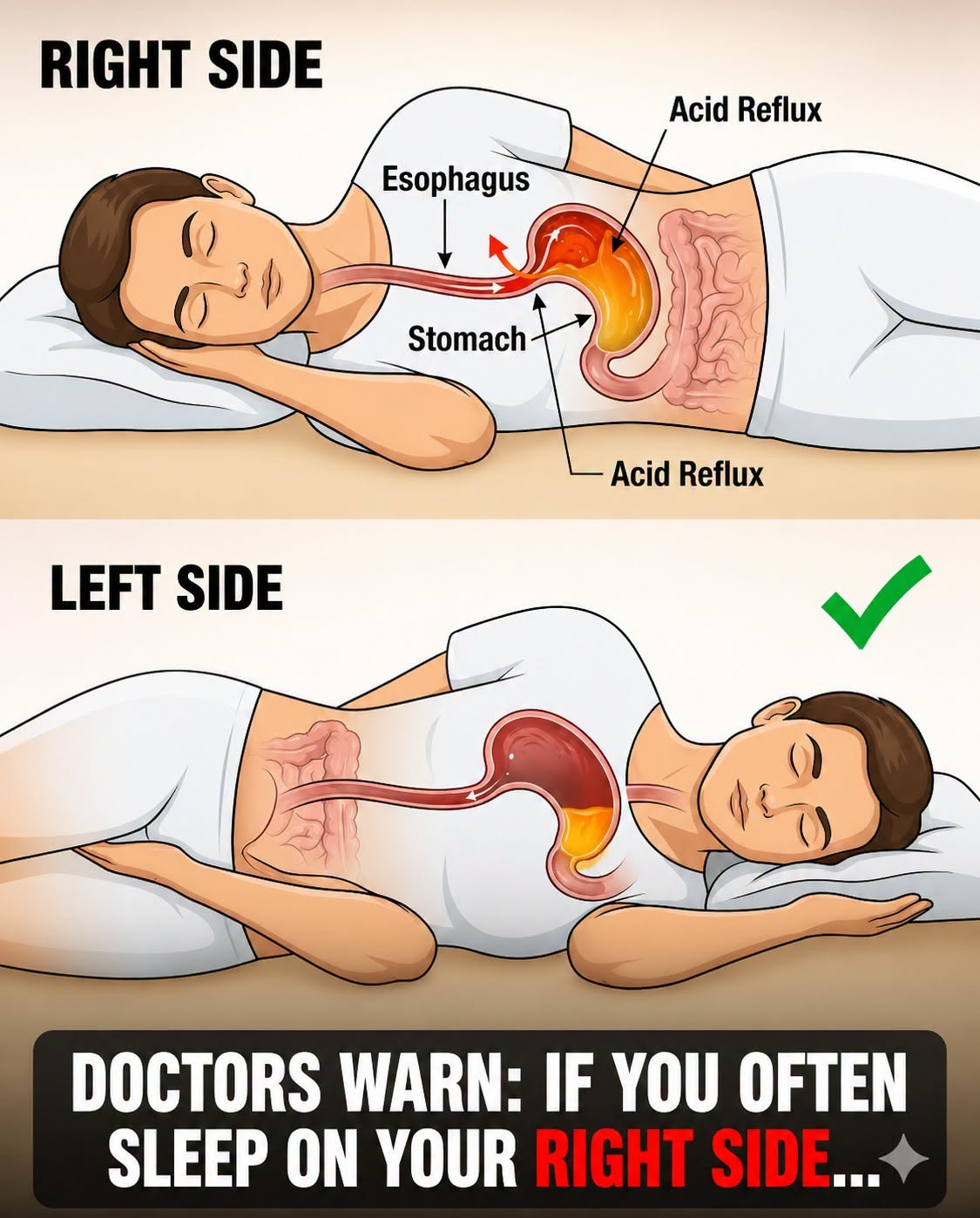
Sleep position may seem like a small detail, but it can play a significant role in digestive comfort. For many people, sleeping on the left side and elevating the upper body when necessary are simple, drug-free strategies that may help reduce nighttime acid reflux.
Combined with healthy eating habits, proper meal timing, and attention to individual triggers, these changes can contribute to more comfortable nights and more restful sleep.
Disclaimer
This article is for educational purposes only and does not constitute medical advice. Always consult a qualified healthcare professional regarding symptoms of acid reflux, heartburn, or other digestive conditions. Individual responses vary, and proper diagnosis is essential for persistent or severe symptoms.